
Drainage Systems

Basement Water Control
Perimeter Drainage Designed to Keep Basements Dry
When water seeps into your basement, an interior perimeter drainage system can be the most effective way to control it. Ayers Basement Systems offers professionally installed basement drainage solutions designed to collect water at the wall-floor joint and redirect it away from your foundation before it reaches your basement floor. Unlike traditional French drains that can clog or fail over time, our drainage systems are engineered to handle continuous water intrusion while maintaining a clean, finished appearance.
Experiencing water intrusion?
Common Signs
There are a few signs your basement is having water intrusion, which include:
- Water pooling along the edges of your basement floor
- Wet or damp spots where the basement wall meets the floor
- Water entering after heavy rain or snowmelt
- White, chalky residue (efflorescence) on basement walls
- Musty odors caused by moisture
- A sump pump that runs frequently
- Mold or mildew growth near the base of basement walls
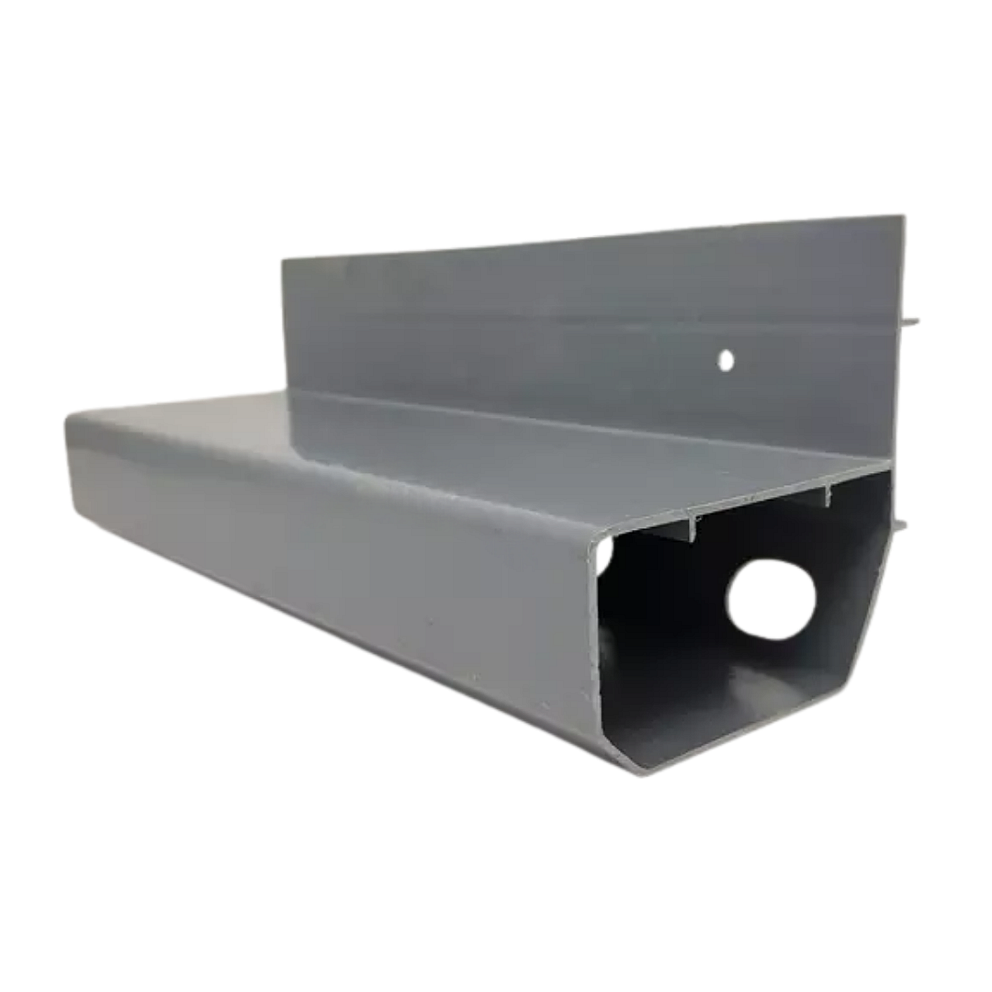
What is WaterGuard®?
WaterGuard® is an interior basement drainage system designed to capture water before it reaches your basement floor. Installed beneath the floor slab on top of the foundation footing, it stays out of the clog-prone “mud zone” common with traditional French drains. The system collects wall seepage and directs it to your sump pump, all with minimal disruption and a clean, finished appearance. Suitable for both block and poured concrete foundations, WaterGuard® is backed by a written lifetime warranty for long-term protection.
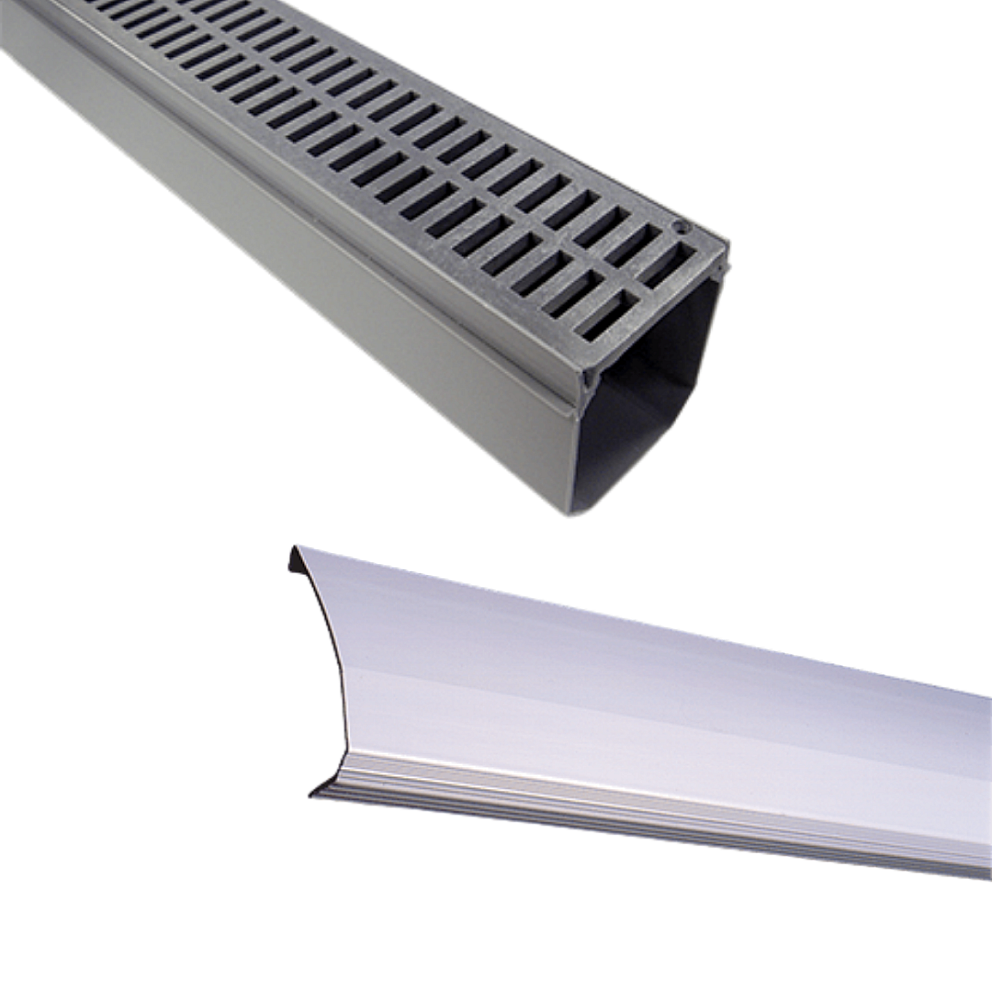
What are DryTrak® and TrenchDrain™?
DryTrak® and TrenchDrain™ are drainage solutions designed for situations where traditional perimeter drains aren’t ideal or where water needs to be stopped at specific entry points. DryTrak® installs on top of the basement floor, making it a great option for monolithic foundations, while collecting wall seepage with minimal disruption. TrenchDrain™ spans doorways, hatchways, or garage entrances to capture surface water before it enters the basement. Both systems direct water to your sump pump and are backed by written lifetime warranties.
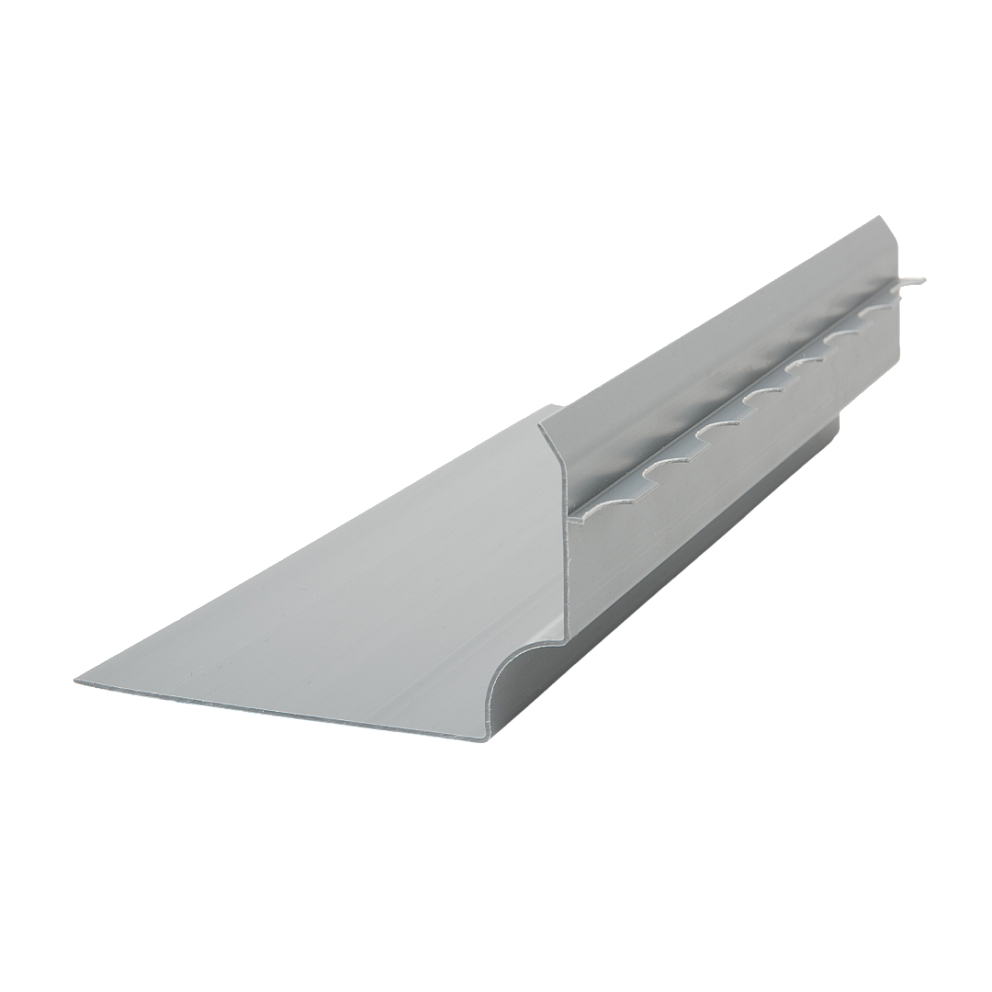
What is FlowGuard®?
FlowGuard® is a thin-floor interior drainage system designed for basements where the concrete slab is too thin for standard perimeter drains. Installed in front of the foundation footing within a bed of drainage stone, the system allows the floor to be fully restored after installation for a seamless finish. FlowGuard® features a built-in wall flange to capture wall seepage and direct water to your sump pump while staying out of the clog-prone mud zone, providing reliable, long-term basement drainage protection.
Drainage in Action
Before & Afters
-
After
 Before
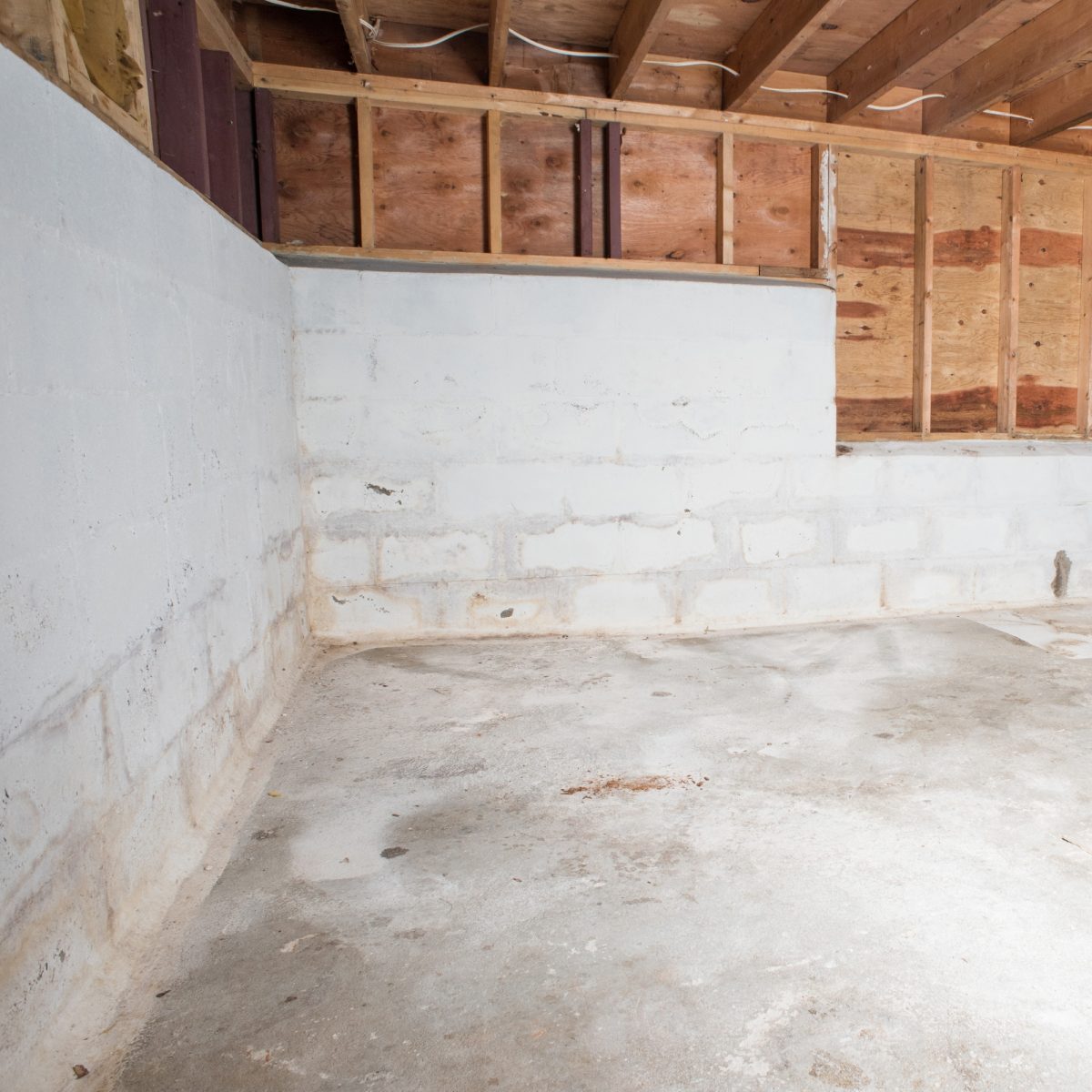 Before
After
Before
After
Basement Water Control
-
After
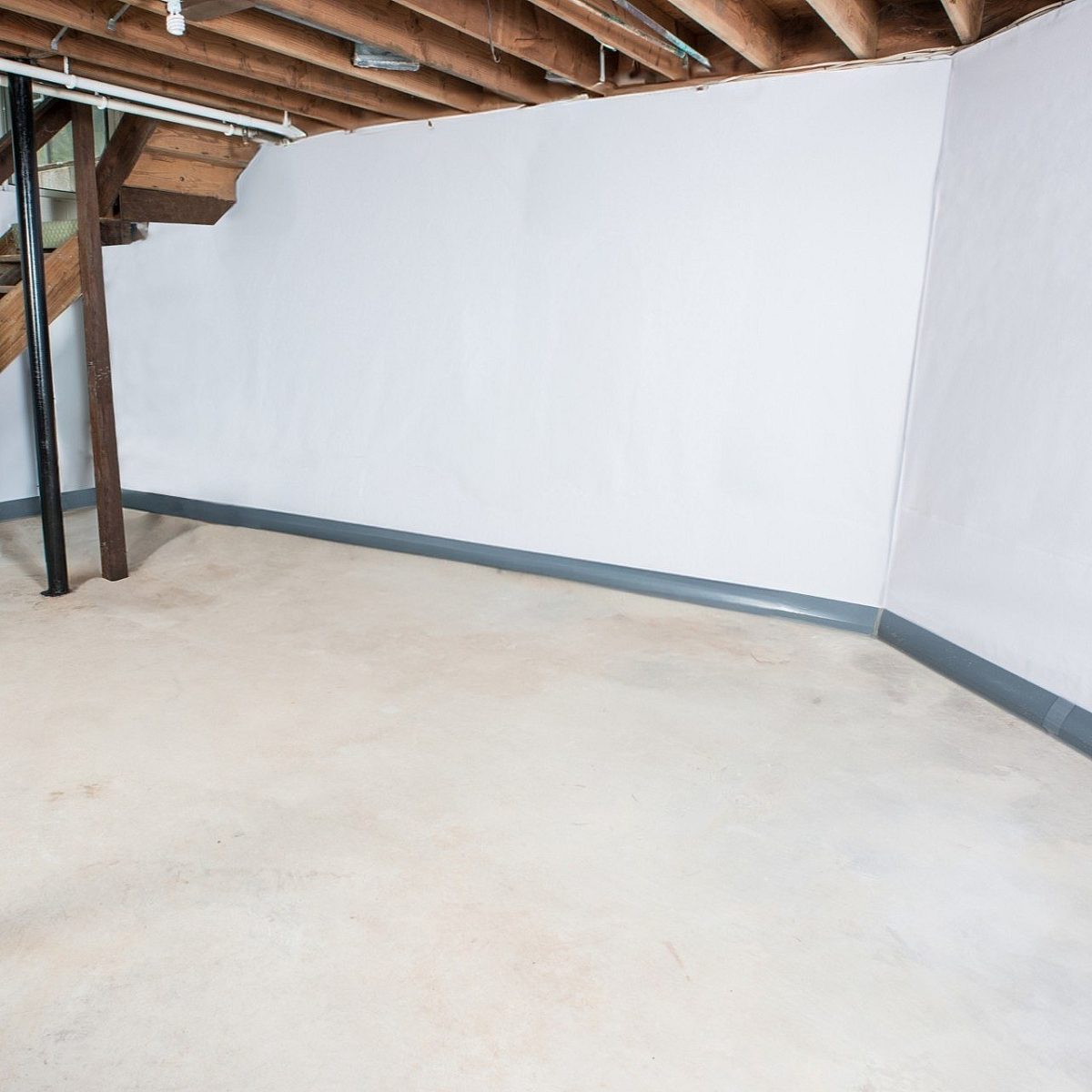 Before
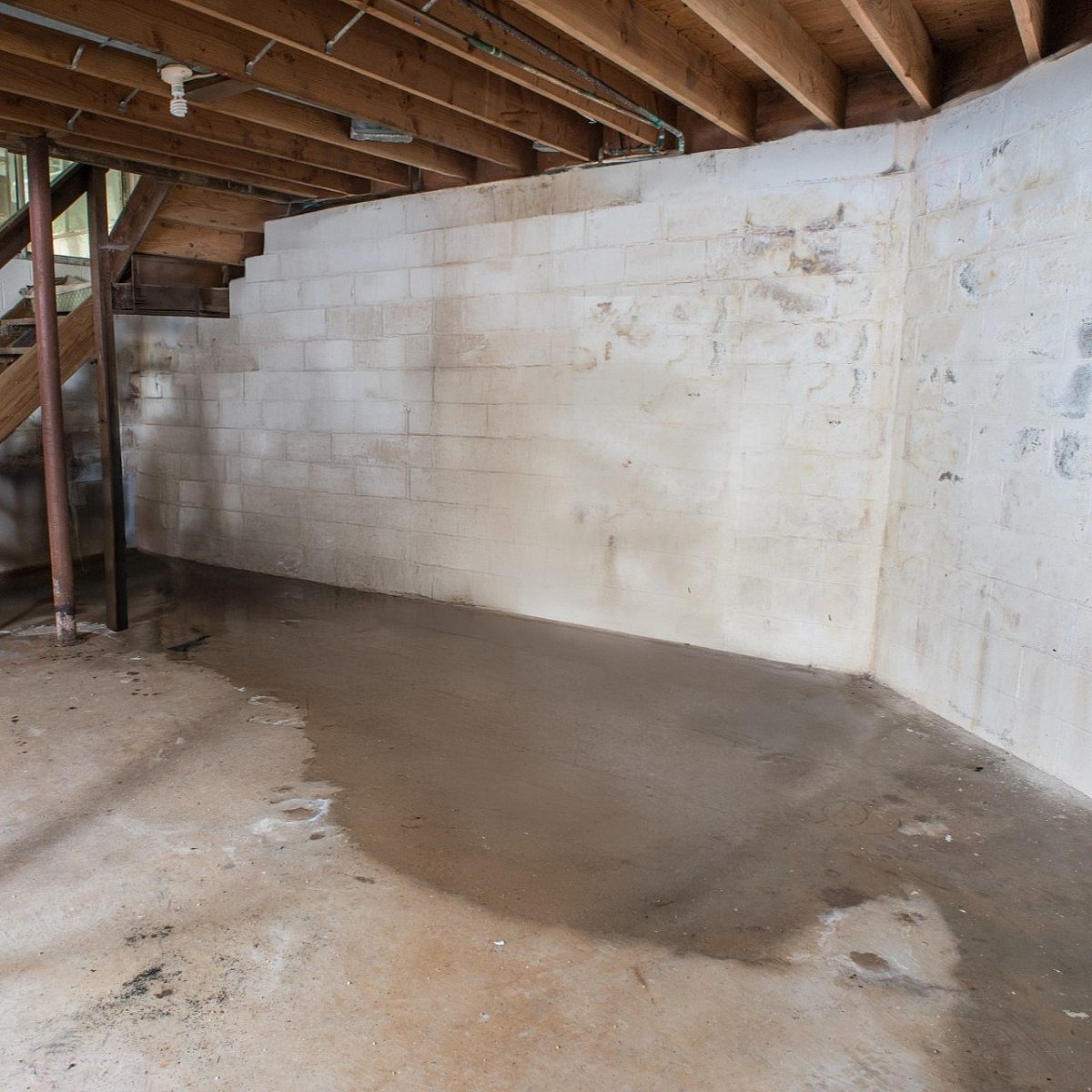 Before
After
Before
After
Interior Drainage Results
-
After
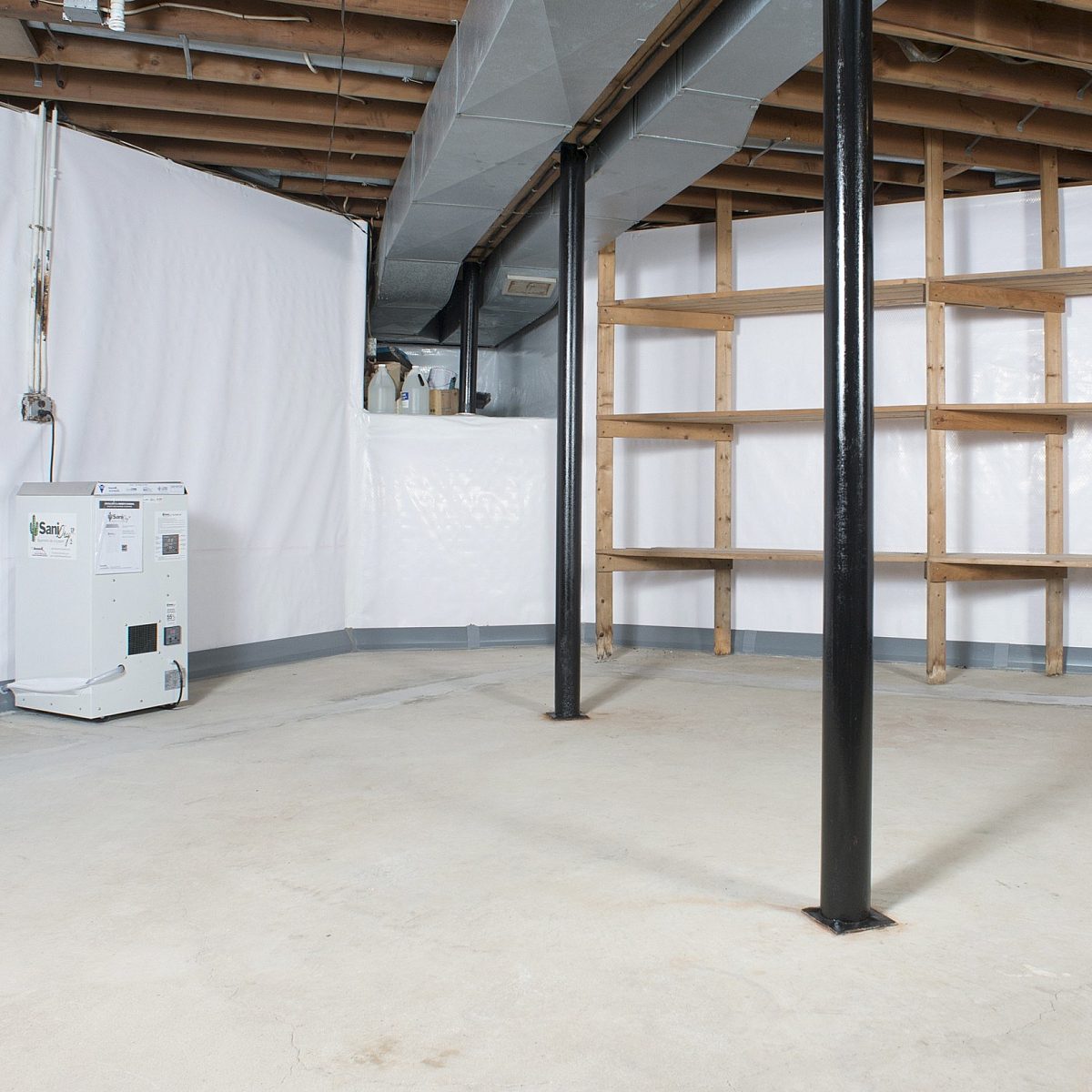 Before
 Before
After
Before
After
From Damaged to Protected


Common Questions
Frequently Asked Questions
-
A French drain system is a drainage solution designed to collect and redirect water away from areas where it can cause damage. In a basement, a French drain is installed along the perimeter where the wall meets the floor, creating a pathway for water to flow into the drain instead of pooling on the floor. The system then channels that water to a sump pump, which safely discharges it away from the home.
-
Many older Michigan basements were built with dirt walls that were later covered with concrete, block, or brick. These materials often provide limited structural support and can deteriorate over time, causing surfaces to crack or crumble. More importantly, exposed soil and porous masonry were never designed to keep water and moisture out, allowing groundwater to easily seep into the basement. Without a reliable system to collect and redirect that water, these basements often remain damp or wet.
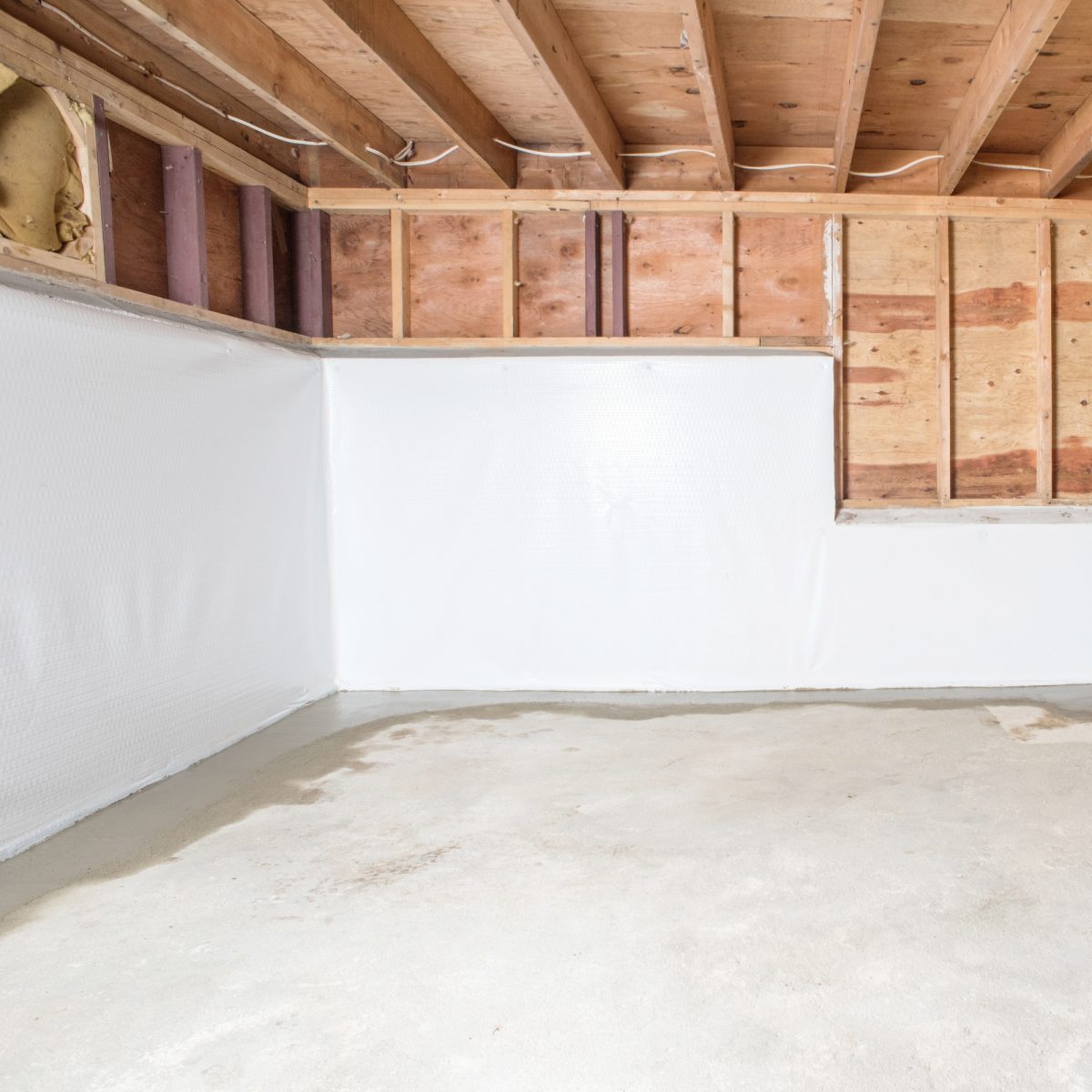
Installing a waterproof wall system along with an effective interior drainage system can help control moisture, protect the walls, and keep your basement dry long term.
-
If you’re dealing with water in your basement, the most effective solution is to collect it and redirect it safely away from your home. Interior drainage systems are designed to capture water as it seeps through basement walls or along the wall-floor joint and guide it to a sump pump for removal. For example, a French drain system installed below the floor can prevent water from pooling or spreading across your basement.
A reliable sump pump is also essential for removing collected water and discharging it outside your home. The right combination of drainage and pumping depends on how water is entering your basement and how much moisture you’re dealing with. Having Ayers evaluate your basement is the best first step to identifying the source of the problem and recommending a long-term solution to keep it dry.
-
Any amount of water in your basement can negatively impact your home’s health and value. Identifying the source of the moisture and choosing the right solution requires professional evaluation, as no two basements experience water problems in the same way. An Ayers specialist can pinpoint how water is entering your basement and recommend a system designed to address your specific conditions. After all, water inside your home isn’t something you should ignore.